

Telehealth marketing leverages video content to boost engagement, build trust, and increase conversions. Strategic planning, diverse formats, optimized distribution, and performance tracking help healthcare providers grow and connect effectively with patients.
Telehealth marketing has become a cornerstone for modern medical practices aiming to expand their reach and foster meaningful relationships with patients far beyond the clinic walls. In today’s digital landscape, high-quality video content is an effective medium to convey expertise, build credibility, and nurture patient trust. As more people seek virtual consultations instead of traveling for in-person visits, healthcare providers must adopt creative strategies to highlight their services and connect on a personal level. Video offers a versatile canvas: from brief tips on managing chronic conditions to in-depth patient stories that resonate emotionally, providers can illustrate their care philosophy and humanize the experience.
Currently, competition in virtual care is fierce, and providers that leverage strategic video production stand out in search engine results and social media feeds. The focus keyword telehealth marketing is vital in ensuring your content ranks for relevant queries and attracts high-intent visitors. This year (2026), building a cohesive video approach can drive appointment bookings, increase patient engagement, and reinforce satisfaction. In this article, we will explore how to plan, create, distribute, and measure video campaigns that align with your practice’s goals and patient expectations. Let’s dive into the essential elements of a robust telehealth marketing video strategy.
Benefits of Video Content in Telehealth Marketing
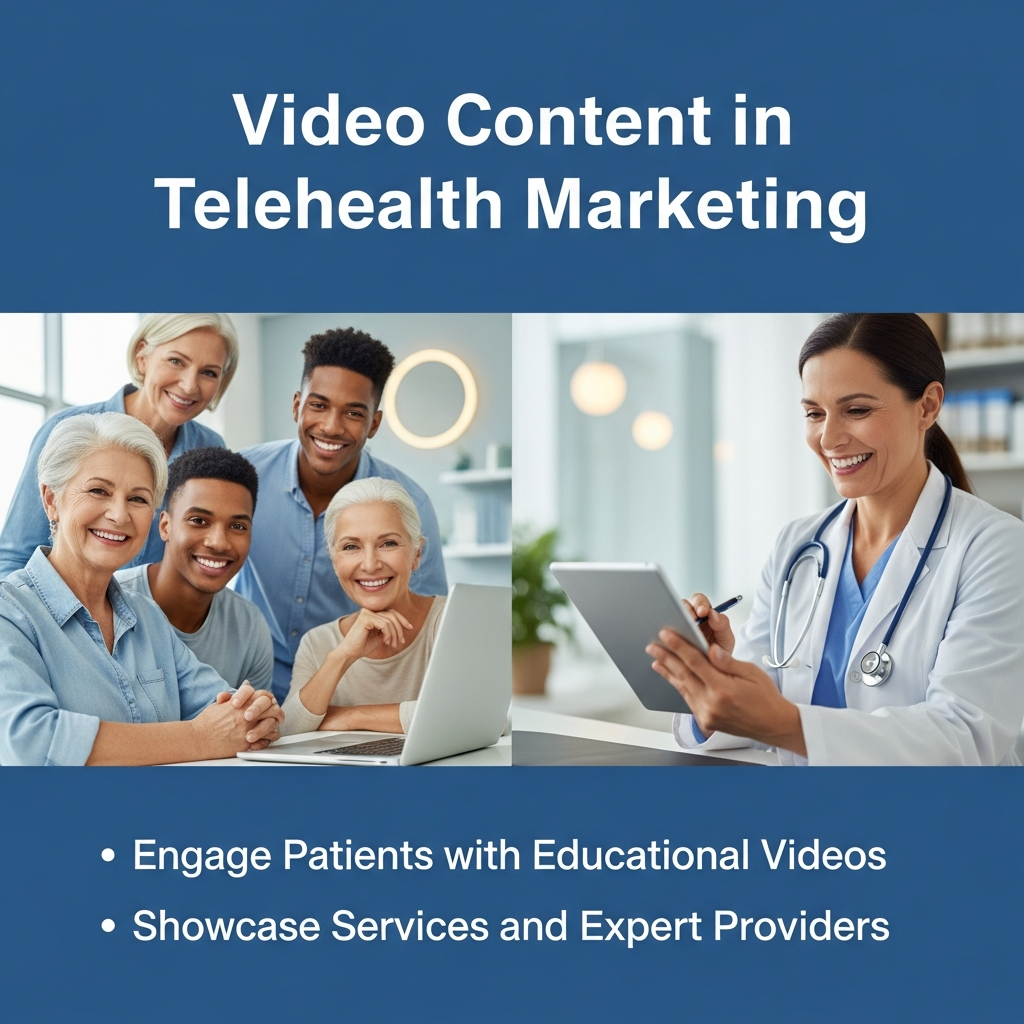
In the realm of telehealth marketing, video transcends static text and images by delivering immersive experiences that capture attention and foster deeper connections. A well-produced clip can simplify intricate medical procedures or treatment plans, making them more digestible for patients who may be anxious or unfamiliar with healthcare jargon. Visual demonstrations also allow prospective patients to visualize the care environment and protocols, ultimately reducing apprehension around virtual appointments.
- Enhanced Engagement: Videos naturally draw viewers’ focus and encourage them to spend more time on your site or social channels, which benefits SEO and lowers bounce rates.
- Trust Building: Introducing providers through on-screen conversations or authentic patient testimonials instills confidence, as audiences can see facial expressions and hear genuine tones.
- Search Visibility: Search engines often favor multimedia content, displaying video results prominently in featured snippets and dedicated carousels.
- Social Amplification: Platforms like LinkedIn and Facebook report higher share rates for video posts than for text alone, amplifying your message organically.
- Improved Conversions: By guiding viewers through clear calls to action—whether scheduling an appointment or downloading an educational guide—videos can elevate conversion metrics.
By recognizing these benefits and weaving your focus keyword telehealth digital marketing naturally into titles, descriptions, and transcripts, your practice can achieve greater reach and authority. Insights from the Centers for Disease Control and Prevention underscore the rapid adoption of virtual care modalities, reinforcing the strategic value of video content.
Exploring Video Formats for Telehealth Providers
Selecting the right video formats is crucial for addressing diverse patient needs and marketing objectives in telehealth marketing. Each style serves a unique purpose, allowing providers to educate, reassure, and inspire viewers at various stages of the patient journey.
- Educational Tutorials: Offer step-by-step visual guides on topics like at-home rehabilitation exercises, proper medication administration, or nutrition tips. These tutorials position your practice as a reliable source of actionable health information.
- Provider Introductions: Short personal videos where physicians, nurses, and allied health professionals share their qualifications, care philosophies, and specialized services. These clips humanize your team and build rapport before the virtual visit.
- Patient Testimonials: Genuine success stories from individuals who benefited from your telehealth services. Authentic testimonials reduce skepticism and reinforce the quality of remote care.
- Procedure Demonstrations: Visual walk-throughs of routine examinations or diagnostic techniques performed virtually. Demonstrations set realistic expectations, reduce anxiety, and highlight your technological capabilities.
- Live Webinars and Q&A Sessions: Interactive broadcasts where viewers can submit questions in real time. Live events foster community, allow for immediate feedback, and position your practice as accessible and responsive.
Rotating between these formats—on your website, email campaigns, and social media channels—ensures content remains fresh and relevant. Additionally, repurpose longer videos into concise snippets for platforms like Instagram Reels or LinkedIn Stories, maximizing your reach and reinforcing key messages.
Strategies for Crafting Engaging Telehealth Videos
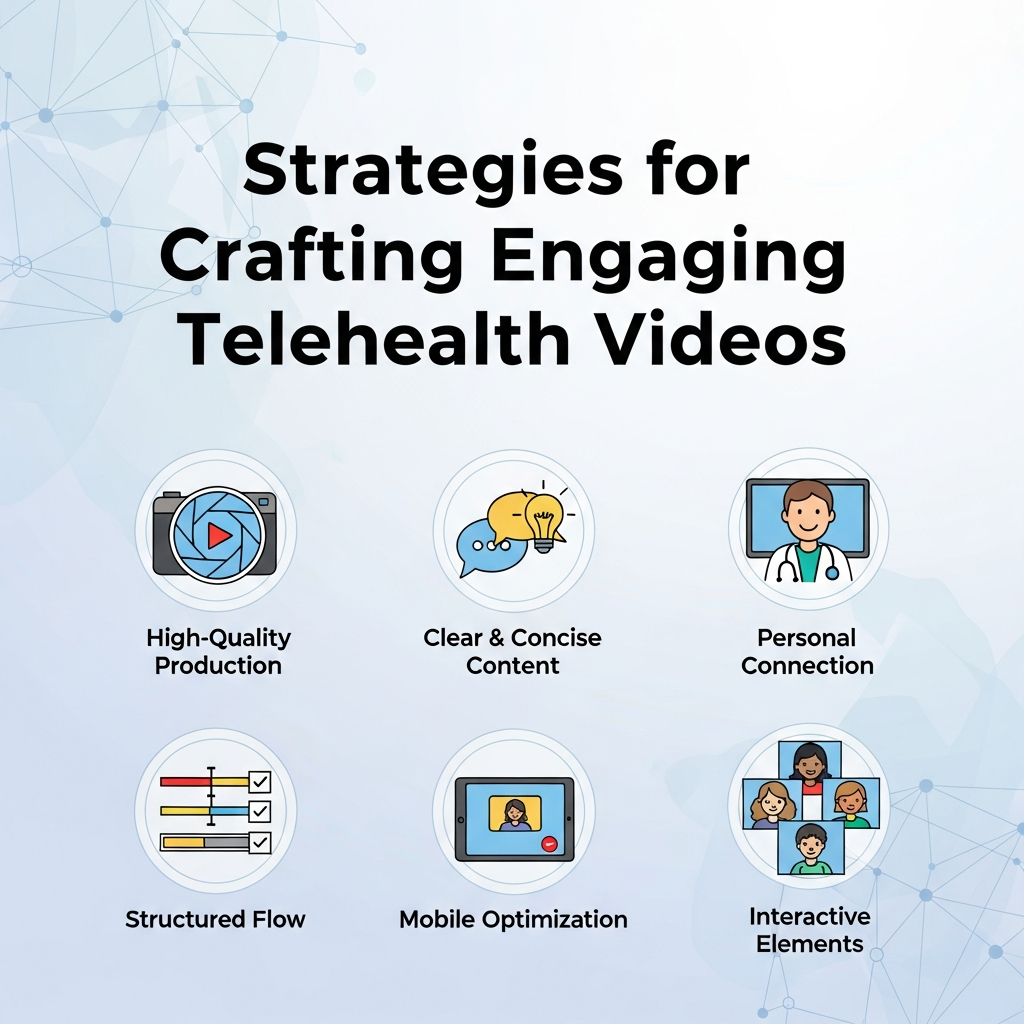
Producing compelling video content requires a blend of strategic planning, creative scripting, and thoughtful execution. Follow these best practices to ensure your telehealth marketing efforts resonate and deliver measurable results.
Define Clear Objectives
Begin by establishing specific, measurable goals for each video. Whether it’s educating patients, generating new leads, or nurturing existing relationships, having well-defined objectives guides the tone, structure, and calls to action. This clarity helps optimize resources and align content with broader marketing campaigns.
Understand Your Audience
Conduct in-depth research into your patient demographics, preferences, and common concerns. Are viewers primarily seniors seeking chronic care management, or younger adults exploring mental health support? Tailor scripts and visual elements to address their unique pain points—privacy safeguards, ease of technology use, and expected outcomes.
Craft a Focused Script
Keep language simple and benefits-oriented. Avoid heavy medical jargon and break down complex ideas into relatable terms. A concise script—preferably no longer than two minutes for initial outreach videos—maintains attention and delivers key messages effectively. Incorporate the focus keyword telehealth marketing naturally in your narration or on-screen text.
Optimize Production Quality
Excellent audio clarity and stable video framing are non-negotiable. Use a reliable webcam or smartphone with a tripod, and invest in a basic lapel microphone for crisp sound. Film in a quiet, well-lit environment, and incorporate your brand’s color palette and logo subtly to reinforce recognition.
Include Strong Calls to Action
Every video should guide viewers toward the next step: scheduling a consultation, downloading a patient guide, or subscribing to your newsletter. Place CTAs at the end of the video and reinforce them with on-screen text or verbal cues to optimize conversion rates.
Add Captions and Transcripts
Accessibility and SEO both benefit from captions and complete transcripts. Ensure compliance with accessibility standards, and boost search engine indexing by including the transcript on the associated webpage. For best practices, consult guidelines from the National Institutes of Health.
Maximizing Distribution Channels for Telehealth Content
Developing impactful video content is only half the battle—strategic distribution maximizes visibility and drives engagement across multiple touchpoints. Leverage a combination of owned, earned, and paid channels to amplify your telehealth marketing videos.
- Your Website: Embed videos on service pages, blog posts, and dedicated landing pages. Implement auto-play for short welcome clips while offering full-length versions upon user interaction.
- Social Media: Share native video uploads on Facebook, LinkedIn, Instagram, and Twitter. Tailor video lengths and formats to platform-specific norms—vertical clips for Instagram Stories, longer episode-style content for LinkedIn.
- Email Newsletters: Integrate video thumbnails linked to your hosting platform. Studies show that emails featuring video content can increase click-through rates by up to 300 percent, enhancing campaign performance.
- YouTube and Vimeo Channels: Publish extended educational and testimonial videos on public profiles. Optimize titles, descriptions, and tags around the focus keyword telehealth marketing to improve organic discoverability.
- Paid Advertising: Run targeted video ads across social platforms and Google Ads. Use demographic and behavioral filters to reach audiences most likely to seek virtual care, and test multiple creatives to identify top performers.
Cross-promote each video across channels and adjust posting schedules based on audience activity patterns. Repurposing content into shorter teasers, quote cards, or blog embeds extends the lifespan of your best-performing videos, ensuring continued engagement.
Measuring and Optimizing Video Marketing Performance
To refine your telehealth marketing efforts, it is essential to track key performance indicators (KPIs) that align with your overarching objectives. Regular analytics reviews enable continuous improvement and data-driven decision-making.
View Counts and Watch Time
Monitor how many viewers initiate playback and how long they stay engaged. A high completion rate often correlates with content relevance and clarity. Platforms like YouTube Analytics and Vimeo Insights provide detailed audience retention graphs.
Click-Through and Conversion Rates
Assess the percentage of viewers who act on your calls to action—whether booking an appointment, downloading a guide, or subscribing to updates. Integrate video analytics with your CRM to attribute leads accurately and calculate true ROI.
Engagement Metrics
Track social shares, comments, and likes to gauge audience sentiment. A lively comment section often signals high interest and offers valuable feedback. Use social listening tools to analyze sentiment trends over time.
Lead Quality and Cost Per Acquisition
Evaluate whether video-generated leads align with your ideal patient profile. Identify which videos drive the highest-quality inquiries and allocate resources accordingly. Calculate cost per acquisition for paid campaigns to ensure sustainable budget allocation.
A/B Testing
Run controlled experiments on thumbnails, titles, video lengths, and CTAs. Incremental changes—such as adjusting the first five seconds of footage or tweaking headline copy—can yield significant uplifts in performance. Document findings and apply learnings to future content.
By systematically measuring these metrics and iterating based on insights, your practice can scale video production efficiently and maximize the impact of telehealth marketing strategies.
Conclusion
Video content has emerged as a powerful catalyst for driving patient engagement, building trust, and accelerating growth in telehealth marketing. By leveraging the benefits of visual storytelling, selecting formats that resonate with your audience, and adhering to best practices for scripting and production, healthcare providers can create compelling assets that stand out in a crowded digital space. Strategic distribution across websites, social platforms, email campaigns, and paid channels ensures maximum reach, while robust measurement frameworks enable continuous refinement and optimization. Today, embracing video as a core component of your telehealth marketing strategy is not just an option but a necessity for sustainable success. Implement these insights this year (2026) to unlock new opportunities for connection, education, and patient acquisition in today’s virtual care environment.
FAQs -Telehealth marketing
1. What is telehealth marketing, and why is it important in 2026?
Telehealth marketing refers to promoting virtual healthcare services through digital channels. In 2026, it is crucial due to the growing demand for remote care, helping providers reach more patients and stay competitive.
2. How does video content enhance telehealth marketing?
Video content improves engagement, simplifies complex medical topics, builds trust, and increases conversion rates by delivering information in a more interactive and relatable format.
3. What types of videos are most effective for telehealth providers?
Effective formats include educational tutorials, provider introductions, patient testimonials, procedure demonstrations, and live webinars or Q&A sessions.
4. How long should telehealth marketing videos be?
Short videos (1–2 minutes) work best for awareness, while longer videos (5–15 minutes) are ideal for detailed education, webinars, or in-depth explanations.
5. How can telehealth videos improve patient trust?
Videos allow patients to see and hear healthcare providers, making interactions more personal and authentic, which helps reduce uncertainty and builds confidence.
6. Which platforms are best for distributing telehealth videos?
Top platforms include your website, YouTube, Facebook, LinkedIn, Instagram, email newsletters, and paid advertising channels like Google Ads and social media ads.
7. What are the key SEO strategies for telehealth video content?
Use the keyword telehealth marketing in titles, descriptions, and transcripts, add captions, optimize thumbnails, and publish videos on SEO-friendly platforms like YouTube.
8. What metrics should be tracked for video performance?
Important metrics include view count, watch time, engagement (likes, shares, comments), click-through rate (CTR), conversion rate, and cost per acquisition (CPA).
9. How can telehealth providers increase video conversion rates?
Include clear calls-to-action (CTAs), keep messaging simple, address patient pain points, and ensure high production quality with clear audio and visuals.
10. How often should telehealth video content be updated or published?
Consistency is key—publishing weekly or biweekly videos helps maintain audience engagement, improve SEO rankings, and keep content fresh and relevant.


I’m a telehealth marketing enthusiast dedicated to bridging the gap between healthcare and digital innovation. Through Telehealth Marketing Tips, I share practical strategies on SEO, content marketing, and patient outreach to help telemedicine brands stand out and grow. My mission is to make digital marketing simple, effective, and impactful for the healthcare industry.
















No Comments