


In today’s digital landscape, telehealth providers are seeking innovative ways to nurture patient connections and streamline care delivery. SMS marketing stands out as a powerful solution, offering instantaneous, personalized outreach directly to patients’ mobile devices.
With open rates surpassing 90% and response times often under five minutes, text messaging helps healthcare professionals deliver appointment reminders, medication prompts, and vital health education where it matters most. This year, as competition for patient attention intensifies, integrating SMS marketing into telehealth strategies can significantly improve engagement metrics and foster better health outcomes.
Throughout this comprehensive guide, we’ll explore how SMS marketing can transform telehealth engagement, from regulatory compliance to crafting compelling messages and selecting the optimal platform. By leveraging concise, actionable text blasts, providers can reduce no-shows, boost adherence, and cultivate trust without overwhelming patients. Whether you’re preparing your first outreach campaign or refining an existing workflow, these proven tactics will empower your practice to communicate more effectively in today’s fast-paced healthcare environment.
Why SMS Marketing Matters in Telehealth
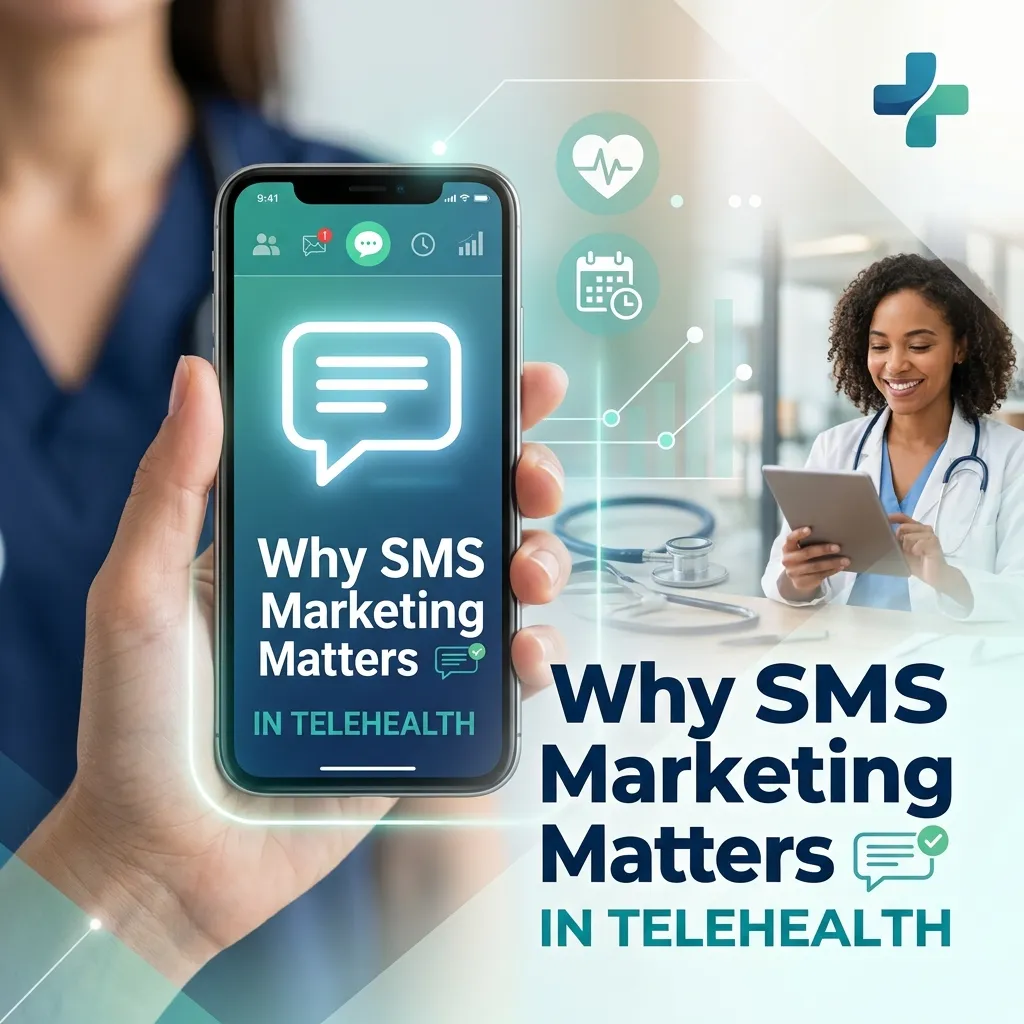
SMS marketing is more than a supplementary channel—it’s a direct line to patient engagement. Research from the National Institutes of Health (NIH) indicates that text reminders dramatically increase appointment attendance, while the Centers for Disease Control and Prevention (CDC) cites mobile messaging as an effective tool for public health interventions. In telehealth settings, where remote visits can feel impersonal, tailored SMS campaigns bridge the gap by delivering timely notifications that patients actually read.
- Rapid engagement: Most texts are viewed within minutes, ensuring critical alerts like prescription refills or urgent follow-ups reach patients promptly.
- Higher response rates: SMS marketing often yields reply rates up to 40%, outperforming traditional email communications.
- Enhanced adherence: Automated medication reminders help patients stick to treatment plans, reducing readmission and improving outcomes.
- Cost-effective outreach: At just a few cents per message, SMS delivers impressive ROI compared to paid digital ads and other channels.
Moreover, in today’s digital climate, patients expect convenient, mobile-centric experiences. Integrating SMS marketing into telehealth workflows demonstrates a commitment to accessibility and patient-centered care, reinforcing loyalty and confidence in your services.
Ensuring Compliance and Patient Consent
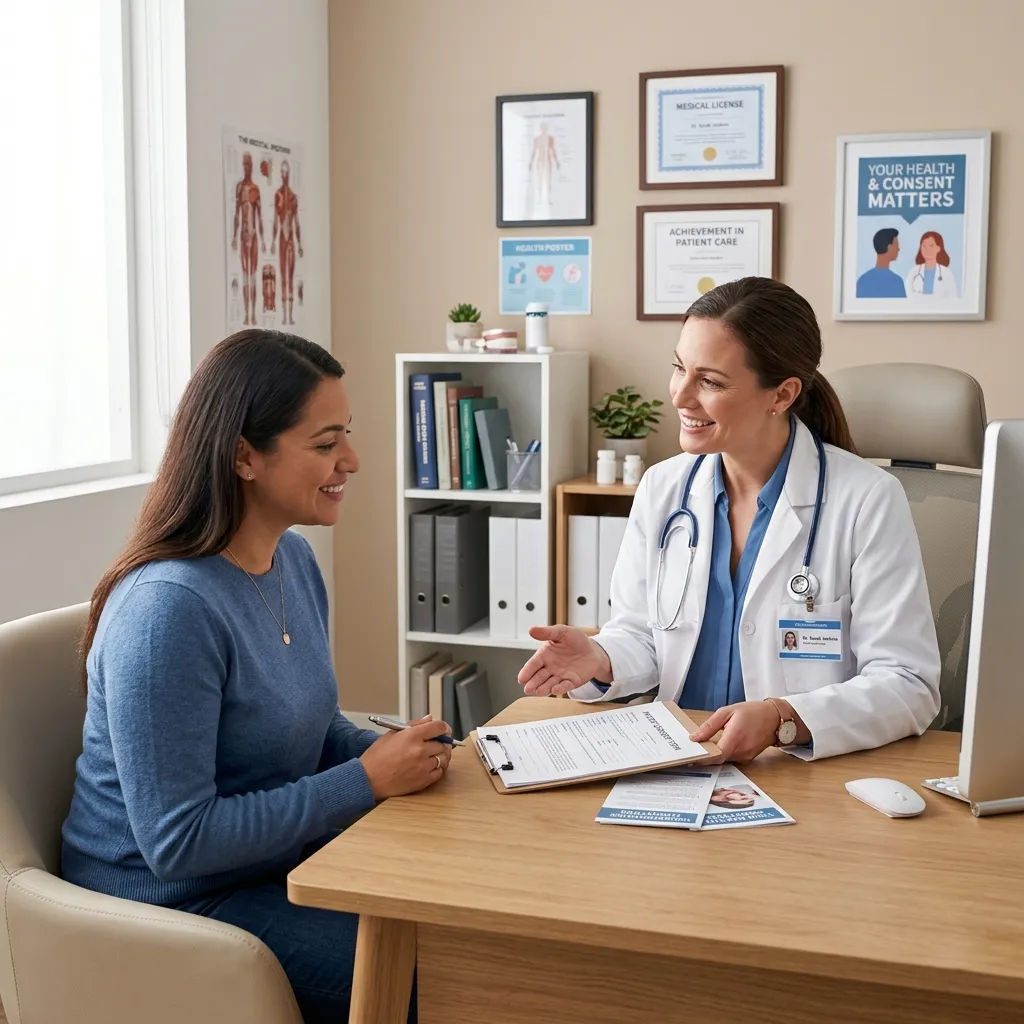
Before launching any SMS marketing initiative, compliance with privacy regulations and data security standards is non-negotiable. In the United States, HIPAA guidelines outlined by the Department of Health & Human Services (HHS HIPAA) dictate how protected health information (PHI) must be handled. Similarly, telehealth practices serving European patients must adhere to GDPR requirements.
- Obtain explicit opt-in: Clearly communicate the purpose and frequency of messages on registration forms. Verbal consent during telehealth sessions supplemented with a digital signature ensures patients understand they’ll receive texts.
- Maintain secure storage: Choose an SMS platform offering end-to-end encryption, audit trails, and data hosting compliant with HIPAA or equivalent standards in your jurisdiction.
- Provide clear opt-out options: Each message should include simple instructions (“Reply STOP to unsubscribe”) so patients can easily withdraw consent at any time.
- Limit PHI exposure: Keep SMS content concise and avoid detailed medical histories. Instead, direct recipients to secure patient portals for comprehensive information.
By prioritizing compliance and informed consent, you safeguard patient trust and avert costly penalties. Regularly review your messaging workflows and train staff on evolving regulations to stay current.
Crafting Compelling SMS Copy
With a strict character limit (usually 160 characters per segment), every word in your SMS marketing must count. The goal is to create messages that are concise, clear, and drive action. Follow these best practices to maximize engagement:
1. Start with a clear identifier
Begin messages with your practice or clinic name so recipients instantly recognize the sender. For example: “WellCare Telehealth: Reminder for Sarah’s 10 am appointment today. Reply YES to confirm.”
2. Be brief and specific
State the purpose without jargon. A simple reminder like “Your blood pressure check is scheduled for 2pm today. Reply CONFIRM to save this slot.” delivers clarity and immediacy.
3. Include a strong call-to-action (CTA)
Tell patients exactly what to do—confirm, reschedule, or complete a brief survey. Clear CTAs reduce confusion and streamline responses.
4. Personalize with tokens
Incorporate merge tags for names, appointment dates, or provider details. Personalized SMS marketing campaigns see up to 50% higher reply rates than generic blasts.
5. Time messages strategically
Send reminders 24–48 hours before appointments and schedule follow-ups during non-peak hours. Testing different send times will reveal your audience’s preferences.
By applying these principles, your SMS marketing efforts will cut through notification overload and encourage timely patient actions.
Segmenting Your Patient Audience
One-size-fits-all messages rarely resonate. Segmenting your audience allows you to tailor SMS marketing content to each group’s unique needs, improving relevance and reducing opt-outs. Common segmentation strategies include:
- Visit type: Separate new patients from those returning for chronic condition management to provide customized guidance.
- Health condition: Group patients by diagnoses—such as diabetes, hypertension, or mental health—to send targeted education and reminders.
- Engagement level: Identify frequent telehealth users versus those who haven’t engaged recently, and craft re-engagement campaigns accordingly.
- Demographics: Consider age, language preference, or location to ensure cultural sensitivity and optimal send times based on local time zones.
Advanced SMS platforms can dynamically update segments based on real-time data from your EHR or CRM system. This automation ensures patients only receive messages relevant to their current health journey, fostering trust and minimizing message fatigue.
Choosing the Right SMS Marketing Platform
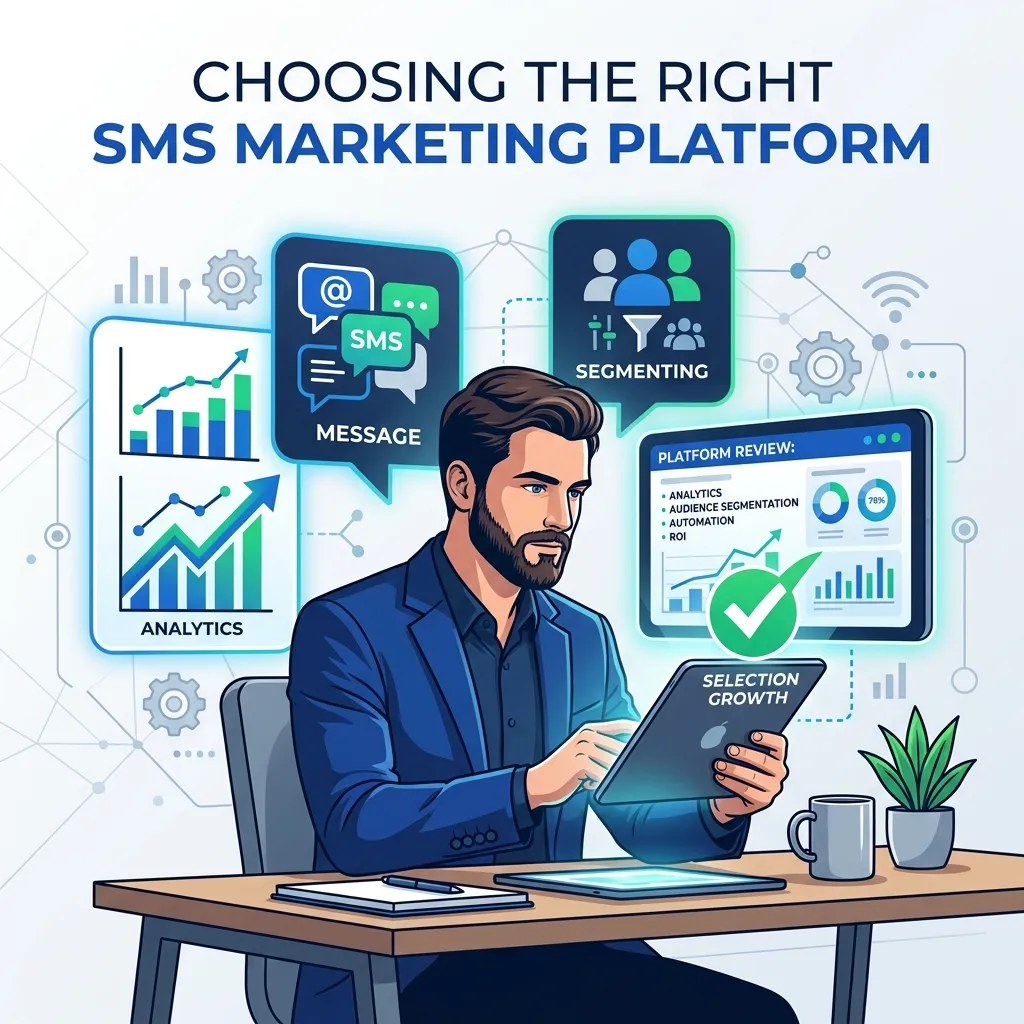
Selecting an SMS provider designed for healthcare is crucial to your strategy’s success. Look for these essential features to ensure reliability and compliance:
- HIPAA-compliant infrastructure: The vendor should sign a Business Associate Agreement (BAA) and provide robust encryption protocols.
- Two-way messaging: Enables patients to ask questions or reschedule directly via text, enhancing accessibility.
- Automation and scheduling: Build drip campaigns for onboarding, follow-up reminders, and preventive care messages in advance.
- EHR/EMR integration: Seamlessly sync appointment data, patient records, and communication history to maintain a unified workflow.
- Advanced analytics: Track delivery rates, open times, bounce rates, and patient responses to measure ROI and optimize campaigns.
Evaluate platforms with live demos, customer reviews, and case studies to ensure they meet your practice’s unique requirements. Prioritize scalability so your SMS marketing efforts can expand as your telehealth services grow.
Conclusion
SMS marketing offers telehealth providers an effective, efficient way to nurture patient relationships, boost attendance, and drive better health outcomes in today’s fast-paced healthcare environment. By ensuring regulatory compliance, crafting concise and personalized messages, and leveraging robust segmentation and platform features, practices can transform appointment reminders and adherence prompts into meaningful touchpoints. Start with a HIPAA-compliant vendor, gather explicit patient consent, and deploy targeted SMS campaigns that respect recipients’ preferences. Continuously measure performance and refine your strategy to maximize engagement and ROI.
Implement these SMS marketing strategies today and witness a marked improvement in telehealth engagement, patient satisfaction, and care continuity this year. With mobile communication at the forefront of patient interactions, text messaging is not just a trend—it’s an essential component of modern, patient-centric healthcare delivery.
Frequently Asked Questions
What is SMS marketing in telehealth services?
SMS marketing in telehealth refers to the use of text messaging to communicate with patients about appointments, medication reminders, wellness tips, follow-up care, and healthcare updates. It helps providers improve patient engagement through fast and direct mobile communication.
Why is SMS marketing important for telehealth providers?
SMS marketing is important because it offers high open rates, quick response times, and reliable patient communication. Telehealth providers can use text messaging to reduce missed appointments, improve treatment adherence, and maintain stronger patient relationships.
How does SMS marketing improve patient engagement?
SMS marketing improves patient engagement by delivering timely, personalized messages directly to patients’ mobile devices. Appointment reminders, follow-up instructions, and health alerts encourage patients to stay active in their care journey.
Is SMS marketing HIPAA compliant for healthcare organizations?
Yes, SMS marketing can be HIPAA compliant when healthcare providers use secure messaging platforms with encryption, access controls, and Business Associate Agreements (BAAs). Providers should also avoid including sensitive patient information in text messages.
What are the benefits of SMS appointment reminders in telehealth?
SMS appointment reminders help telehealth practices:
- Reduce no-show rates
- Improve scheduling efficiency
- Increase appointment confirmations
- Enhance patient satisfaction
- Strengthen communication between providers and patients
How often should telehealth providers send SMS messages?
Telehealth providers should send SMS messages only when they are relevant and valuable to patients. Common timing includes appointment reminders 24–48 hours before visits, medication alerts, and follow-up care notifications.
What types of SMS campaigns work best for telehealth?
Popular telehealth SMS campaigns include:
- Appointment reminders
- Prescription refill alerts
- Medication adherence reminders
- Preventive care notifications
- Wellness education campaigns
- Patient satisfaction surveys
- Re-engagement messages
How can telehealth clinics personalize SMS marketing campaigns?
Clinics can personalize SMS campaigns by using patient names, appointment times, provider information, and condition-specific health reminders. Personalized text messages often achieve higher engagement and response rates.
Can SMS marketing reduce telehealth appointment no-shows?
Yes, automated SMS reminders significantly reduce appointment no-shows by reminding patients about upcoming visits and allowing them to confirm or reschedule quickly through text messaging.
What is the ideal length for a healthcare SMS message?
Healthcare SMS messages should be short, clear, and actionable. Most effective messages stay within 160 characters and include a direct call-to-action such as “Reply YES to confirm.”
How do telehealth providers get patient consent for SMS marketing?
Providers typically collect patient consent through online registration forms, intake paperwork, digital signatures, or verbal agreements documented during telehealth consultations.
Can small telehealth practices benefit from SMS marketing?
Absolutely. SMS marketing is affordable, scalable, and highly effective for small telehealth practices looking to improve communication, patient retention, and appointment attendance without large marketing budgets.
What are the biggest challenges of SMS marketing in telehealth?
Common challenges include maintaining compliance, avoiding message fatigue, protecting patient privacy, and ensuring accurate audience segmentation. Using a secure, healthcare-focused SMS platform can help overcome these issues.


I’m a telehealth marketing enthusiast dedicated to bridging the gap between healthcare and digital innovation. Through Telehealth Marketing Tips, I share practical strategies on SEO, content marketing, and patient outreach to help telemedicine brands stand out and grow. My mission is to make digital marketing simple, effective, and impactful for the healthcare industry.
















No Comments