

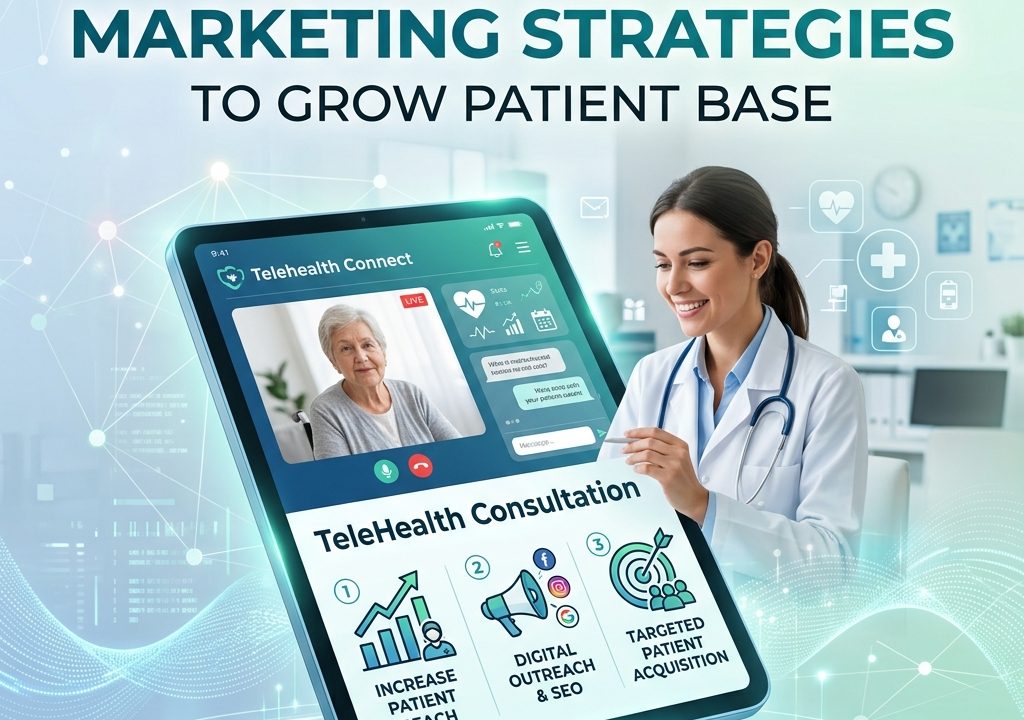
In today’s digital landscape, healthcare organizations are experiencing a profound shift as more patients opt for remote consultations. With virtual care expanding rapidly this year, employing effective telehealth marketing strategies is critical for any practice seeking to stand out and connect with individuals who prioritize convenience and personalized care.
Currently, winning patient trust relies not only on the quality of clinical services but also on clear communication, strong online visibility, and user-friendly digital experiences. By harnessing targeted messaging, search optimization, and engaging content formats, medical professionals can cultivate relationships before a visit even takes place.
As the telemedicine sector continues its upward trajectory, a thoughtful marketing plan can serve as the cornerstone for sustainable growth. Today’s consumers often research symptoms, compare providers, and seek virtual solutions—all from their smartphones. This guide examines proven tactics to boost brand awareness, attract new patients, and nurture loyalty through every stage of the patient journey. Throughout the following sections, we explore how to craft compelling narratives, optimize for search engines, leverage social channels, and measure return on investment. Whether your practice is just launching an online offering or looking to refine existing efforts, these insights will help you build a dynamic telehealth marketing framework that resonates with modern audiences.
Understanding the Importance of Telehealth Marketing
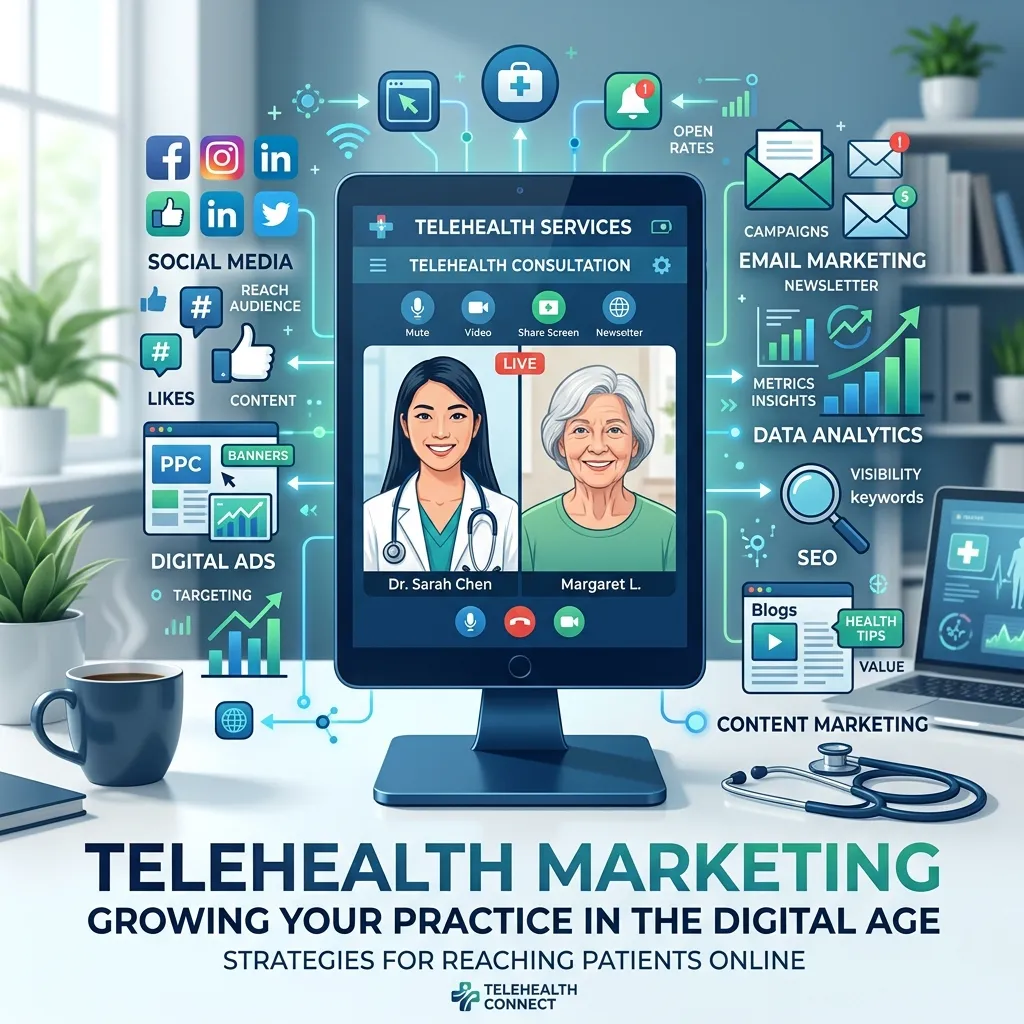
As healthcare delivery embraces digital transformation, practices must recognize that simply offering remote consultations does not guarantee visibility. Telehealth marketing serves as the bridge between your virtual services and prospective patients actively seeking care. Today, nearly half of adults consult the internet first when experiencing new health concerns. Without a structured promotional approach, your practice risks being overshadowed by competitors who articulate value propositions more clearly.
First, telehealth marketing elevates your practice’s profile in search results. When someone searches for terms like telemedicine appointments, online doctor consultation, or virtual therapy, a robust SEO foundation ensures your website appears prominently. Focusing on search engine optimization involves thorough keyword analysis, on-page improvements, and technical website audits. These actions signal to search platforms that your content is relevant and trustworthy.
Next, effective messaging positions your clinicians as thought leaders and compassionate caregivers. By sharing patient-centric narratives, provider biographies, and success stories, you reinforce credibility and humanize the virtual experience. Incorporating data from reputable authorities such as the Centers for Disease Control and Prevention and the National Institutes of Health further validates your expertise and improves patient confidence.
Finally, targeted marketing homes in on specific demographics and conditions. Whether focusing on chronic disease management, mental health, or preventative care, customizing campaigns to distinct patient segments increases engagement and conversion rates. By aligning messaging with audience needs, you minimize ad spend waste and maximize the impact of every marketing dollar.
Crafting Engaging Content for Virtual Healthcare

High-quality, informative content remains at the heart of any successful telehealth marketing plan. Today’s patients crave clarity about what to expect, how to prepare, and the benefits of virtual visits. By offering resources that address these questions, your practice can attract individuals at each stage of their decision-making process.
Start with a comprehensive blog section that tackles frequently asked questions. For example, publish posts outlining the steps of a telehealth appointment, data security assurances, and billing procedures. Pair written articles with short video explainers that demonstrate the platform interface, introduce providers, and guide patients through account setup. Embedding transcripts and clear captions ensures accessibility and search engine discoverability.
Webinars and live Q&A sessions enable real-time interaction. Host sessions on topics such as managing hypertension remotely, mental well-being strategies, or pediatric telehealth considerations. Promoting these events via email invites and social media amplifies reach and fosters a sense of community. After the live event, repurpose recordings into bite-sized clips and infographics that summarize key takeaways.
Visual assets like infographics distill complex medical concepts into easy-to-understand graphics. For example, illustrate remote diagnostic tools, explain the flow of a virtual appointment, or compare in-person versus online visit timelines. These assets are highly shareable on platforms like LinkedIn and Pinterest, expanding your practice’s digital footprint.
Finally, patient testimonials remain one of the most persuasive content forms. Obtain written and video statements from individuals who have had positive telehealth experiences. Ensure you secure proper consent and comply with privacy regulations. Authentic success stories demonstrate tangible benefits and alleviate concerns about the quality of care in a remote setting.
SEO Strategies to Amplify Your Telehealth Presence
Search engine optimization is indispensable for capturing organic traffic and driving qualified leads to your website. In today’s competitive environment, implementing advanced SEO tactics will distinguish your telehealth services and maintain top rankings on results pages.
Begin with in-depth keyword research. Identify primary and long-tail terms that align with patient queries. Tools from academic institutions or government sites can help; for example, utilize public keyword data provided by research libraries or educational portals. Focus on terms like virtual care services, online mental health therapy, and remote medical consultation. Group keywords by theme and intention, then map each cluster to specific landing pages.
On-page enhancements are equally vital. Ensure title tags incorporate target keywords at the beginning, followed by compelling modifiers. Craft meta descriptions that succinctly summarize page content and include a call to action. Organize headings with proper hierarchy.
Technical SEO ensures your site performs flawlessly. Use schema markup to highlight telehealth services, provider profiles, and patient reviews. This structured data can generate rich snippets in search results, improving click-through rates. Optimize image file names and alt attributes with descriptive, keyword-rich text. Leverage lazy loading and content delivery networks (CDNs) to accelerate page speed—an essential ranking factor.
Local SEO also plays a role, even for virtual offerings. Maintain an up-to-date Google Business Profile with service descriptions that mention telehealth. Encourage landscaped reviews from satisfied patients, as star ratings and positive feedback build trust. Embed location-based schema if you serve specific regions, which can help your practice appear for “telehealth near me” searches.
Finally, build a diverse backlink profile by contributing guest articles to reputable healthcare websites and academic publications. Quality inbound links signal authority and boost domain credibility. Monitor performance via tools like Google Search Console and refine pages that show potential but underperform, adjusting keywords and improving content depth where necessary.
Leveraging Social Media and Paid Channels

Combining organic social engagement with targeted advertising creates a powerful synergy for telehealth marketing. Today’s consumers spend hours on social platforms, seeking health tips, peer support, and provider recommendations. By maintaining a consistent presence and investing in paid campaigns, you can expand awareness and drive appointment bookings.
First, choose platforms aligned with your demographic. Facebook remains strong for adults over 35, while Instagram and TikTok engage younger audiences. LinkedIn can be effective for B2B collaborations or corporate wellness programs. Tailor content to each channel’s norms: short-form videos on TikTok, carousel posts on Instagram, and in-depth articles or polls on LinkedIn.
Organic social tactics include sharing educational reels, provider highlights, and patient testimonials. Use stories and live broadcasts to give behind-the-scenes glimpses of your virtual practice infrastructure. Interactive features—polls, quizzes, and Q&A stickers—boost engagement and offer valuable insights into audience interests.
Paid advertising accelerates reach and precision. Create campaigns on Facebook Ads Manager and Google Ads that target users searching for telehealth solutions. Utilize demographic filters, interest targeting, and custom audiences to reach individuals who have visited relevant pages on your website. Retargeting is particularly effective: show ads to visitors who abandoned appointment booking or viewed specific service pages.
Test multiple creatives and ad copy variations to identify top performers. A/B testing headlines, images, and calls to action helps refine messaging and improve ROI. Set clear objectives—traffic, lead generation, or conversion—and track metrics such as click-through rate (CTR), cost per click (CPC), and cost per acquisition (CPA). Adjust budgets toward high-performing ad sets and pause underperforming ones.
Finally, explore emerging social commerce features, such as Facebook’s appointment booking integration and Instagram’s action buttons. These tools streamline the patient journey by allowing individuals to schedule consultations directly within social feeds, reducing friction and drop-off rates.
Building Patient Relationships with Email, SMS, and Referrals
Direct messaging channels like email and SMS play a critical role in nurturing leads and encouraging repeat visits. Today’s patients appreciate personalized reminders and relevant health tips delivered directly to their inbox or mobile device.
Begin with a segmented contact list. Group subscribers by demographics, appointment history, and expressed interests. For example, separate those who have scheduled mental health sessions from patients managing chronic conditions. Tailor content to each segment’s needs: send educational newsletters, telehealth platform tutorials, or seasonal wellness advice.
Automation enhances efficiency. Set up drip campaigns that trigger based on user actions. When a new patient registers, send a welcome series explaining how to prepare for their first virtual consultation. After an appointment, follow up with satisfaction surveys, medication reminders, or links to relevant resources. For patients who abandon the booking process, deploy reminder messages that address potential barriers and offer assistance.
SMS is ideal for timely alerts: appointment confirmations, rescheduling notices, and short health tips. Ensure messages are concise, opt-in compliant, and HIPAA-friendly. Provide clear instructions for opting out to maintain regulatory adherence and foster trust.
Referral and loyalty programs incentivize existing patients to spread the word. Offer discounts, complimentary consultations, or digital gift cards for every successful referral. Provide easy-to-share links or unique codes that track referrals in your CRM system. Recognize top referrers with tiered rewards to maintain enthusiasm over time.
Beyond incentives, focus on delivering exceptional patient experiences. Prompt virtual check-in, user-friendly platforms, and responsive support staff all contribute to positive word-of-mouth. Encourage satisfied patients to leave reviews on directory sites, as social proof and star ratings influence decision-making.
FAQ
What are telehealth marketing strategies?
Telehealth marketing strategies are digital marketing techniques used to promote virtual healthcare services, attract patients, improve online visibility, and increase appointment bookings through channels like SEO, social media, email marketing, and paid advertising.
Why are telehealth marketing strategies important?
Telehealth marketing strategies help healthcare providers connect with patients online, build trust, increase brand awareness, and stay competitive in the growing virtual healthcare industry.
How can SEO improve telehealth marketing?
SEO improves telehealth marketing by helping healthcare websites rank higher in search engine results. This increases organic traffic and attracts patients searching for online healthcare services or virtual consultations.
What type of content works best for telehealth marketing?
Effective telehealth content includes:
- Educational blog posts
- Video consultations guides
- Patient testimonials
- Health tips
- Infographics
- Webinars
- FAQs about virtual care
High-quality content builds trust and improves patient engagement.
Which social media platforms are best for telehealth marketing?
Popular social media platforms for telehealth marketing include:
- YouTube
- TikTok
The best platform depends on your target audience and healthcare specialty.
How can healthcare providers attract more telehealth patients?
Healthcare providers can attract more telehealth patients by:
- Optimizing websites for SEO
- Running paid ads
- Sharing educational content
- Using email and SMS campaigns
- Improving online reviews
- Offering easy online booking options
What role does email marketing play in telehealth?
Email marketing helps telehealth providers nurture patient relationships through appointment reminders, wellness newsletters, follow-up care instructions, and personalized healthcare updates.
How can telehealth providers build patient trust online?
Providers can build trust online by:
- Displaying provider credentials
- Sharing patient testimonials
- Highlighting HIPAA compliance
- Publishing educational content
- Maintaining responsive communication
- Offering secure virtual consultation platforms
What are the benefits of paid advertising for telehealth services?
Paid advertising helps telehealth providers quickly reach targeted audiences, generate leads, increase appointment bookings, and improve brand visibility through platforms like Google Ads and Facebook Ads.
How do telehealth providers measure marketing success?
Telehealth providers measure marketing success using metrics such as:
- Website traffic
- Conversion rates
- Cost per acquisition (CPA)
- Click-through rates (CTR)
- Appointment bookings
- Return on investment (ROI)


I’m a telehealth marketing enthusiast dedicated to bridging the gap between healthcare and digital innovation. Through Telehealth Marketing Tips, I share practical strategies on SEO, content marketing, and patient outreach to help telemedicine brands stand out and grow. My mission is to make digital marketing simple, effective, and impactful for the healthcare industry.
















No Comments