

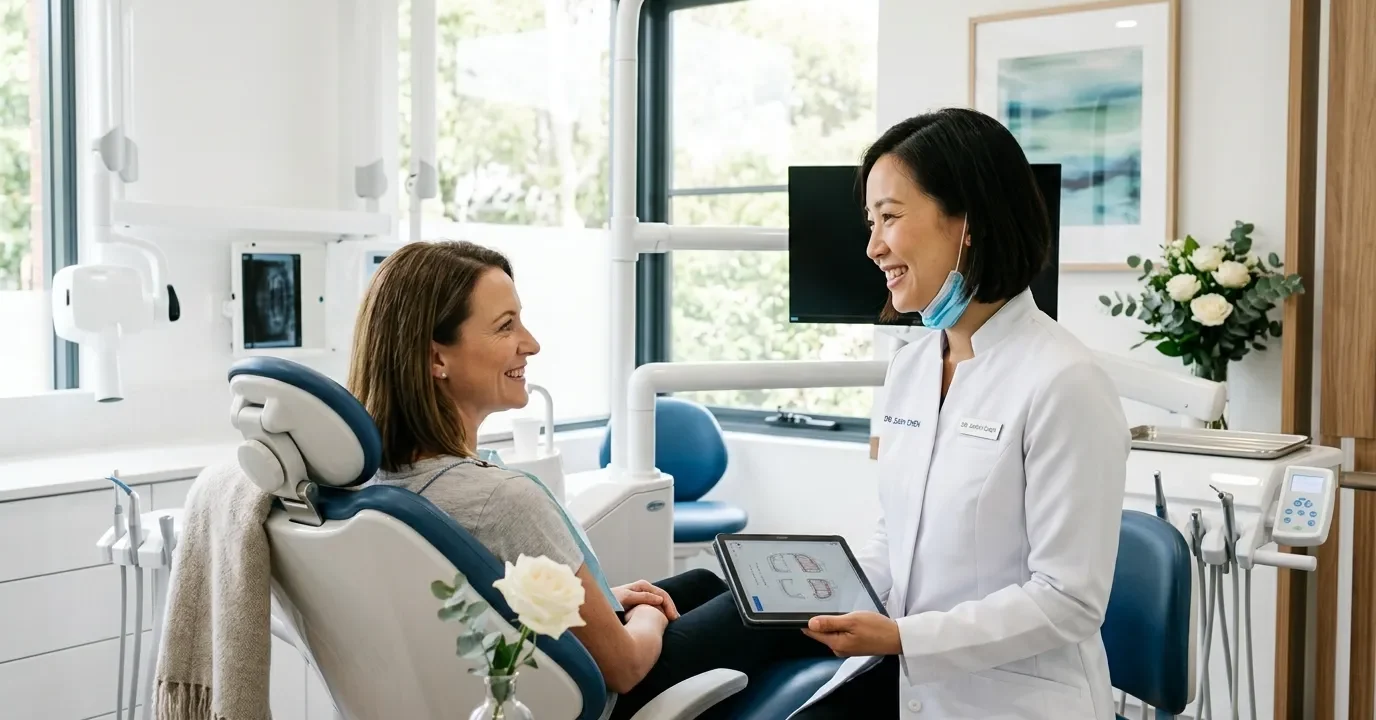
This guide unpacks a step-by-step roadmap for dental patient acquisition using research-backed strategies and practical insights. You’ll master local SEO, digital marketing, patient experience, automation, and reputation management. Expect actionable tips, comparison tables, real-world examples, internal and external linking, and answers to the most searched questions about dental patient acquisition. By the end, you’ll know how to fill your chairs and future-proof your dental business.
Understanding Modern Dental Patient Acquisition
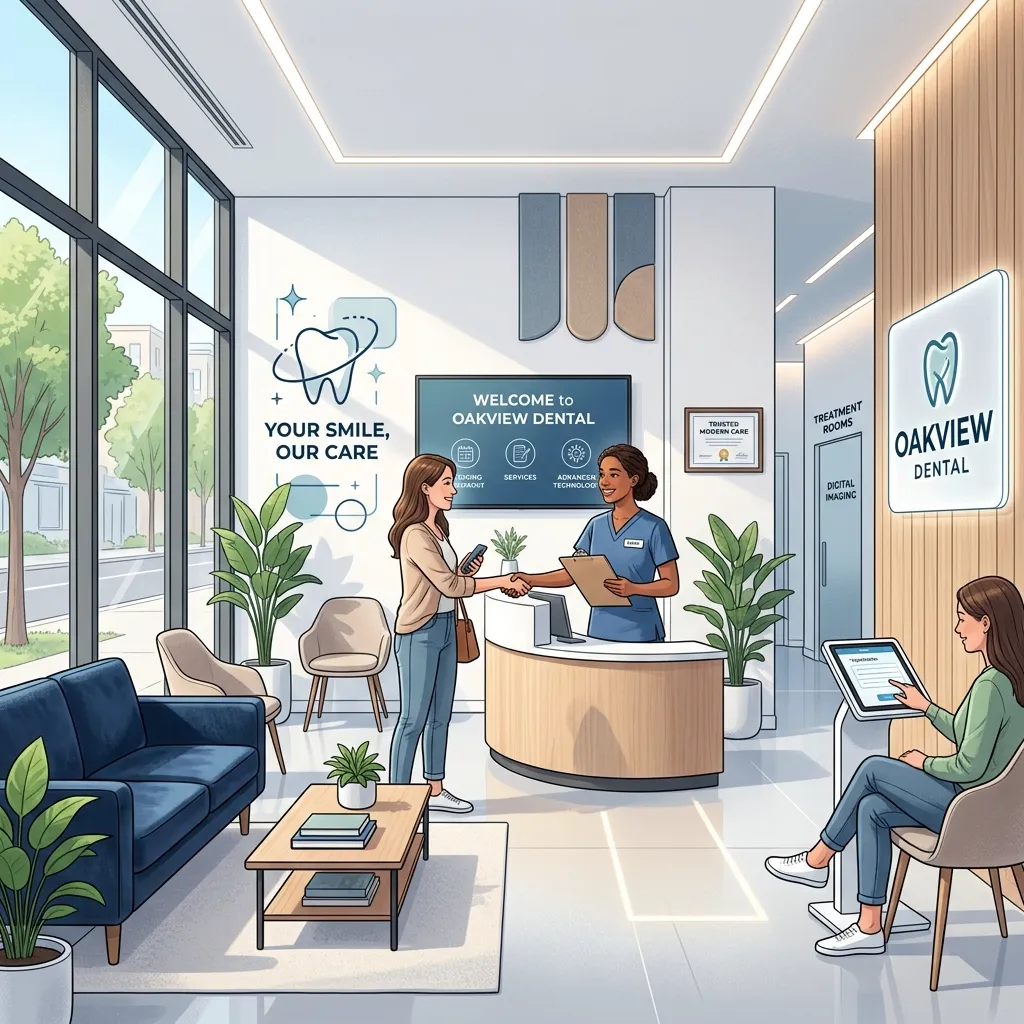
The way patients find and select dental care has evolved drastically in the last decade. No longer can practices rely solely on word-of-mouth or walk-ins. Most patients now research symptoms, compare providers, read online reviews, and evaluate a practice’s digital presence before ever stepping through the door. According to the American Dental Association, 77% of patients begin their search online—often using voice assistants and mobile devices.
At the heart of dental patient acquisition are several converging trends:
- The dominance of Google local search and local SEO for dentists
- The growing influence of patient reviews and online reputation management
- Rising expectations for convenience, mobile access, and value-driven experiences
- The pivotal role of dental digital marketing strategies and omnichannel engagement
- Increasing patient interest in advanced services like Invisalign, implants, and cosmetic procedures
Your success hinges on understanding these trends and leveraging them to craft a patient acquisition process that’s both systematic and scalable.
Search Intent: Why It Matters for Dental Patient Acquisition
High-performing dental websites and digital campaigns are built around matching the intent behind a patient’s search. Intent falls into three main categories:
- Informational Intent: “What causes gum pain?” “Best ways to whiten teeth.”
- Navigational Intent: “SmileBright Dental Austin address” or “Dr. Lee periodontist reviews.”
- Transactional Intent: “Book teeth cleaning near me,” “Emergency dentist open now.”
Effective dental patient acquisition strategies weave together content, calls to action, and conversion funnels that engage people at each of these stages. Start by mapping out the common touchpoints and questions your ideal patient has—and build resources to meet their needs.
The Pillars of a Winning Dental Patient Acquisition System
1. Building a High-Performance Digital Presence
Your website is the hub of your dental patient acquisition engine. Consider it your always-on digital storefront.
Key elements of a patient-converting dental website:
- Mobile-first, fast-loading design: Over 60% of searches are mobile (source)
- Intuitive navigation: Offer clear paths for both first-time and returning visitors
- Compelling service pages: Including details about cosmetic dentistry, implants, pediatric care, and other specialties
- Trust-building assets: Doctor bios, team photos, patient testimonials, and virtual office tours
- Click-to-call and online scheduling: Frictionless booking is vital for capturing high-intent appointments
Don’t overlook technical SEO: clean URLs, optimized images, strong meta tags, and ensuring your site loads in under three seconds are all mandatory.
For extra depth, check out the RevenueWell dental SEO hub for best practices and case studies.
2. Local SEO and Google Business Profile Optimization

Local discovery powers modern dental patient acquisition. Most patients aren’t searching broadly; they want a trusted provider close to home.
- Claim and optimize your Google Business Profile (GBP): Complete every field; upload new photos regularly; use neighborhood and service keywords.
- Consistent NAP (Name, Address, Phone) info across directories: This boosts Google trust signals.
- Collect and respond to Google reviews: 77% of dental patients trust review ratings as much as recommendations from family and friends.
- Create local landing pages: Target service + location keywords, like “teeth whitening in Dallas,” for highly relevant leads.
Discover more GBP tips from MB2 Dental, a leader in dental SEO.
3. Content Marketing: Educate, Build Authority, Convert
Providing helpful, relevant content not only builds search visibility—it positions your practice as a trusted healthcare partner.
Best practices for dental content marketing:
- Publish regular blog posts on oral health, treatment options, payment planning, and new technology
- FAQ pages: Address common concerns and appear in voice search results
- Multimedia content: Videos, before-and-after galleries, and downloadable guides
- Target long-tail keywords: Like “best dentist for nervous patients near me” or “Is Invisalign covered by insurance?”
- Internal linking clusters: Seamlessly connect patient retention methods, procedures pages, and practice management resources using bolded internal topics for improved engagement and dwell time
For more on authoritative content strategy, see Curve Dental’s SEO guide.
4. Harnessing Online Reviews and Reputation Management
Reputation is everything. In a world dominated by search and social, prospective patients read multiple reviews before deciding.
How to build and protect your online reputation:
- Request reviews automatically after each appointment
- Thank every reviewer and address negative feedback quickly
- Display top testimonials on your website and in your office
- Use feedback to coach staff and improve processes
Read more about top strategies in Tebra’s guide.
5. Digital Advertising: Accelerate Results with Paid Campaigns
While organic growth is invaluable, paid media offers instant visibility:
- Google Ads/PPC: Bid on “dentist near me,” “emergency dental,” and high-value service terms
- Social ads (Facebook, Instagram): Target by location, interests, demographics
- Retargeting campaigns: Keep your practice visible to website visitors after they leave
- Direct mail and OTT advertising: Still viable for hyper-local outreach and cross-brand awareness
Test ad creative, landing pages, and special offers to maximize your conversion rates—and closely track your cost per dental patient acquisition.
6. Automation, AI, and Advanced Patient Journey Mapping

Modern dental marketing automates routine tasks, freeing your team to focus on care:
- AI chatbots: Capture inquiries 24/7 and pre-qualify leads
- Automated email/SMS: Reminders, nurturing, education, and follow-up
- Call tracking and analytics: Attribute dental patient acquisition to specific channels and campaigns
- Online payment and insurance verification tools: Speed up appointment scheduling and reduce no-shows
For an edge on technology, review Patientdesk’s latest automation solutions.
7. Conversion Optimization: Turning Clicks into New Patients
You might get traffic—but unless your web and front-desk systems convert, you’re wasting budget.
Actionable conversion tips:
- Online booking and clear CTAs: “Book Now” buttons should be prominent throughout your site.
- Live chat and virtual consults: Capture leads who prefer digital communication.
- Front desk training: Ensure every phone caller experiences empathy, clarity, and answers to their questions.
- Transparent pricing and financing: Display insurance options, payment plans, and new patient specials to lower barriers.
Comparison Table: Organic vs Paid Dental Patient Acquisition
|
Feature |
Organic (SEO, Content) |
Paid (Ads, PPC, Social) |
|---|---|---|
|
Timeline |
3-6 months for traction |
Immediate visibility |
|
Cost Structure |
Time, expertise, content |
Budget per click/impression |
|
Long-Term ROI |
Highest, compounds over time |
Moderate, ongoing spend |
|
Targeting |
Broad local, knowledge-based |
Precise demographics, intent |
|
Best Use Case |
Authority, trust, education |
Quick growth, urgent needs |
Common Mistakes in Dental Patient Acquisition (And How to Fix Them)
- Ignoring mobile optimization: Google penalizes slow, non-responsive sites.
- Inconsistent branding/narrative: Align your message across web, ads, social, and reception.
- Neglecting reviews: Not responding or requesting feedback decreases trust—build ongoing systems.
- Forgetting to track calls/form fills: Never guess which channels are working. Utilize analytics rigorously.
- Delayed response to leads: “Speed to lead” is mission-critical; automate responses where possible.
- Overstuffing keywords: Focus on readability and context-driven optimization.
Pro Tips & Expert Insights
- Continually audit and refine your practice management system for smoother patient flow.
- Run quarterly competitive SEO reviews to spot content, keyword, or reputation gaps.
- Launch patient loyalty programs and referral incentives to amplify word-of-mouth.
- Use “patient journey mapping” visuals to identify drop-off points and improve experience.
- Engage in local community sponsorships and events for offline credibility and backlinks.
Mini-Conclusion: The Engine of Sustainable Growth
Dental patient acquisition is not a one-time marketing project—it’s a continuous, adaptive system. The best practices outlined here will help your practice weather market changes, attract high-value patients, and maintain an exemplary reputation. By embracing a robust digital and in-person strategy, leveraging technology and personal connections, your practice’s growth ceiling will vanish.
Conclusion
Mastery of dental patient acquisition is the difference between a practice that survives and one that thrives. By integrating local SEO, compelling content, automation, paid ads, and an exceptional patient journey, you’ll consistently attract and convert new patients. Invest in learning, testing, and refining every step of your process. The result will be not only busier schedules but elevated trust and authority in your community. Put these strategies into action and transform your patient pipeline today.
Frequently Asked Questions (FAQs)
What is dental patient acquisition and why is it so important?
Dental patient acquisition describes a set of marketing and operational processes designed to bring new patients into your practice. It’s foundational for practice growth—without new patients, even the best-run clinics can stagnate or decline.
How does local SEO specifically help dental patient acquisition?
Local SEO puts your practice in front of potential patients searching for dental services nearby. Optimized Google profiles, local reviews, and geo-targeted keywords make your practice visible and accessible when and where potential patients are looking.
Should my practice invest more in organic marketing or paid advertising?
The best results come from a blended approach. Organic efforts build authority and trust for the long term, while paid ads offer quick, targeted results for new services or urgent scheduling gaps.
What role do online reviews play in dental patient acquisition?
Online reviews build instant trust and are a major factor in local patient decision-making. High ratings and timely responses convince patients to choose your practice over competitors.
How can I use automation to improve my dental patient acquisition efforts?
Automation tools—like AI chatbots and automated email/SMS—capture leads, confirm appointments, and follow up with potential patients, improving both conversion rates and patient satisfaction.
What are the most common mistakes practices make in dental patient acquisition?
Not optimizing for mobile, neglecting reviews, inconsistent branding, slow lead response, and failing to track marketing ROI are among the most common (and costly) errors.
Which marketing metrics matter most for dental patient acquisition?
Key metrics include cost per lead (CPL), cost per acquisition (CPA), source of each new patient, appointment booking rate, and overall patient retention.
How can content marketing boost my new patient numbers?
Answering prospective patient questions, educating about treatments, and providing local resources through blog posts and videos increases your site’s visibility and builds authority, making it more likely patients will choose your clinic.
How much should I budget for dental patient acquisition?
A common benchmark is 5–10% of gross revenue, but specifics depend on your market’s competitiveness and your growth goals.
Where can I learn more about best practices in dental growth and marketing?
Explore Curve Dental’s marketing hub, Patientdesk’s blog, and the American Dental Association resources for up-to-date insights and best practices.


I’m a digital marketing expert passionate about transforming how telehealth brands connect with patients online. At Telehealth Marketing Tips, I write about the intersection of healthcare and digital strategy — from SEO and social media to patient engagement and brand growth. My goal is to help telehealth professionals thrive in the digital age with smart, data-driven marketing insights.
















No Comments