


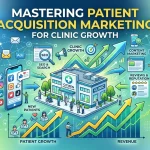
This comprehensive guide explores the most effective methods to grow your medical practice. You will discover actionable digital marketing tactics, local SEO optimizations, and communication techniques. By leveraging these insights, you can outpace competitors, enhance the patient experience, and build a thriving, high-revenue healthcare facility.
Understanding Patient Acquisition Strategies in Modern Healthcare
The healthcare landscape shifts rapidly. Patients no longer rely solely on word-of-mouth recommendations from family or friends. Instead, they act like modern consumers. They research symptoms online, read provider reviews, and compare digital experiences before they ever book an appointment. Because of this shift, healthcare providers must adopt robust patient acquisition strategies to stay competitive.
Patient acquisition encompasses every touchpoint a prospective patient has with your brand before they step into your clinic. It includes your website, search engine rankings, social media presence, and advertising efforts. If you want your practice to thrive, you must meet patients where they spend their time: online.
By building a strong digital footprint, you establish authority and trust. When patients see that you provide valuable information and seamless booking options, they feel confident choosing you over a competitor. You must view patient acquisition as an ongoing process rather than a one-time marketing campaign.
To maximize your results, you need a deep understanding of your target audience. You should identify their pain points, common questions, and preferred communication channels. This data allows you to tailor your messaging and create highly targeted campaigns that convert online searchers into loyal patients.
Why Your Practice Needs Dedicated Patient Acquisition Strategies
Relying on traditional referrals leaves your practice vulnerable to market fluctuations and aggressive competitors. You need proactive patient acquisition strategies to ensure a steady stream of new appointments and safeguard your revenue.
First, proactive marketing builds brand awareness. When patients repeatedly see your clinic’s name in search results and social media feeds, they remember you when a health issue arises. Familiarity breeds trust, which remains the most critical factor in healthcare decisions.
Second, digital acquisition methods provide measurable results. Unlike billboard or radio ads, digital campaigns allow you to track every click, call, and booked appointment. You can calculate your exact return on investment and adjust your budget to focus on the highest-performing channels. We strongly recommend investing in comprehensive healthcare marketing services to track these metrics accurately.
Third, a strong acquisition plan enhances patient retention. Acquisition and retention work together. When you attract the right patients through clear, honest messaging, they arrive with realistic expectations. If you meet those expectations, they become loyal advocates for your practice.
According to the Pew Research Center, an overwhelming majority of adults look online for health information. If your clinic fails to appear during these critical search moments, you lose potential patients to more digitally savvy providers.
Core Elements of High-Converting Patient Acquisition Strategies
Building a successful marketing engine requires a multi-faceted approach. You must integrate several core elements to create a seamless journey for prospective patients.
Optimizing Your Digital Presence

Your website serves as the digital front door to your practice. It must load quickly, function flawlessly on mobile devices, and provide an intuitive user experience. Patients want to find information quickly. They need to know your location, operating hours, accepted insurance plans, and available services.
Ensure your website includes clear calls to action. Use buttons like “Book an Appointment” or “Call Now” prominently on every page. You should also consider implementing online scheduling software. Patients appreciate the convenience of booking appointments without waiting on hold.
Furthermore, your website content must demonstrate your expertise. Write detailed service pages that explain procedures in simple, easy-to-understand language. Avoid complex medical jargon that might confuse or intimidate potential patients.
Enhancing Local SEO and Google Business Profiles
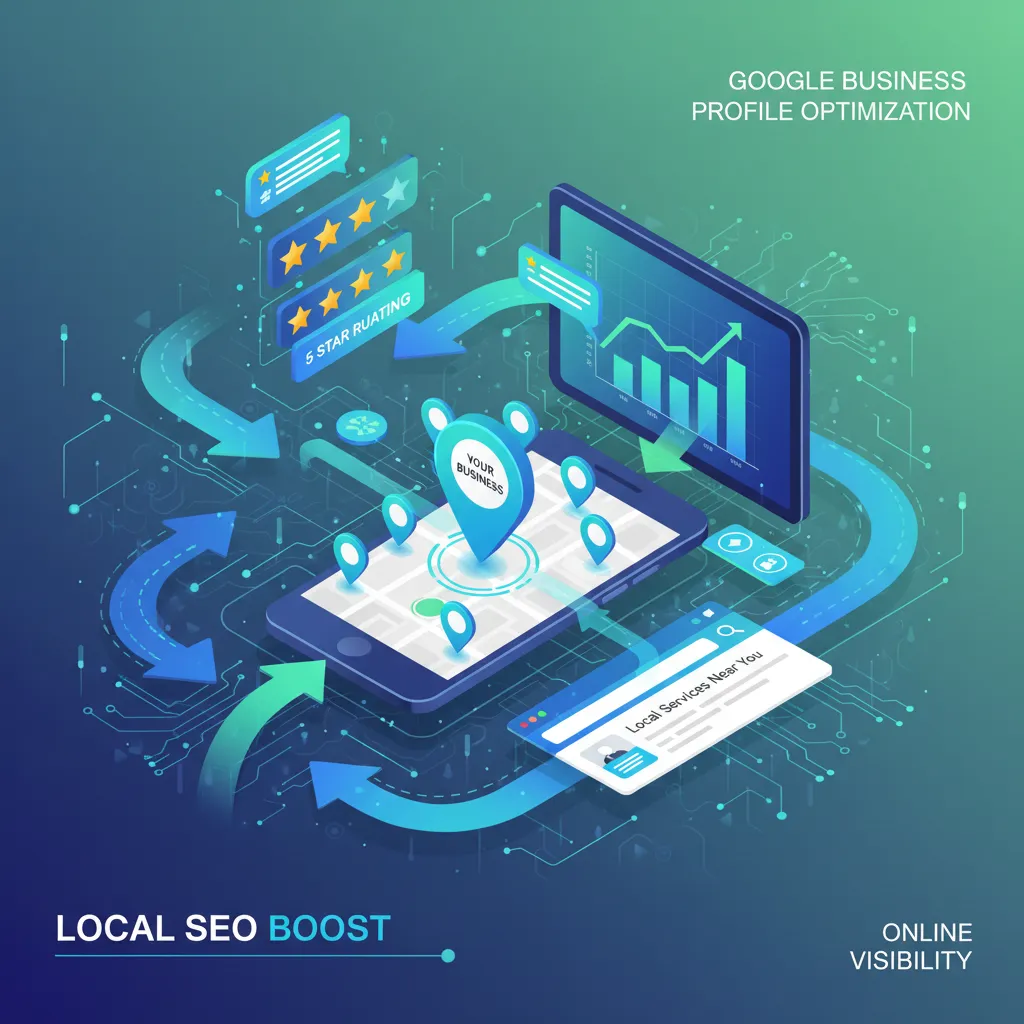
Local search engine optimization remains one of the most powerful patient acquisition strategies available. When someone searches for a “doctor near me,” search engines prioritize local results.
Claim and optimize your Google Business Profile. Fill out every section accurately. Add high-quality photos of your clinic, staff, and equipment. Regularly update your profile with posts about new services, health tips, or holiday hours.
Consistency matters in local SEO. Ensure your clinic’s name, address, and phone number appear identically across all online directories. This consistency signals to search engines that your business is legitimate and trustworthy.
Leveraging Patient Reviews
Online reviews significantly impact patient decisions. You must actively manage your online reputation. Encourage satisfied patients to leave positive reviews on Google, Healthgrades, and Yelp.
You can automate this process by sending text or email requests after successful appointments. A robust patient retention program often includes automated feedback loops that boost your online ratings.
Always respond to reviews, both positive and negative. Thank patients for their kind words. Address negative feedback professionally and empathetically. Invite dissatisfied patients to contact your office directly to resolve their issues. This public display of excellent customer service shows potential patients that you genuinely care about their experience.
Advanced Patient Acquisition Strategies for Growth
Once you establish a strong digital foundation, you can implement advanced tactics to accelerate your growth.
Data-Driven Paid Advertising
Pay-per-click advertising allows you to reach potential patients precisely when they search for specific medical services. Google Ads lets you bid on highly relevant keywords, ensuring your clinic appears at the top of the search results.
For example, a physical therapy clinic might bid on terms like “back pain treatment” or “sports injury rehab.” Because these users actively seek solutions, they convert at a high rate.
Social media advertising offers another powerful avenue. Facebook and Instagram ads allow you to target users based on demographics, interests, and location. You can promote preventive screenings, wellness programs, or aesthetic procedures to a highly specific audience.
Content Marketing and Authority Building
Content marketing establishes your clinic as a trusted authority in your medical specialty. Create a blog and publish articles that answer common patient questions.
If you run a pediatric clinic, you might write about childhood vaccination schedules, managing seasonal allergies, or tips for better sleep. This valuable content attracts organic search traffic and builds goodwill with your community.
You should also explore video content. Short, informative videos perform exceptionally well on social media. Have your physicians record brief videos explaining common conditions or demonstrating simple exercises. Video humanizes your brand and helps patients feel comfortable with your staff before they even visit.
Telehealth Integration

Telehealth expands your reach beyond your immediate geographic area. Many patients prefer the convenience of virtual consultations for minor ailments or follow-up visits.
Promote your telehealth services prominently in your marketing materials. Highlight the time-saving benefits and the ability to consult with a doctor from the comfort of home. Offering telehealth positions your practice as a modern, patient-centric organization.
According to the Centers for Disease Control and Prevention, telehealth usage has stabilized at a much higher rate than pre-pandemic levels, making it a permanent fixture in healthcare delivery.
Comparing Top Patient Acquisition Strategies
To help you prioritize your efforts, review this structured comparison table of the most effective strategies.
|
Strategy Type |
Upfront Cost |
Time to See ROI |
Overall Effectiveness |
Best Use Case |
|---|---|---|---|---|
|
Local SEO & Google Business |
Low to Medium |
3-6 Months |
Very High |
Capturing local patients actively searching for care. |
|
Pay-Per-Click Ads (Google) |
High |
Immediate |
High |
Driving fast appointment bookings for high-value services. |
|
Content Marketing (Blogging) |
Medium |
6-12 Months |
High |
Building long-term topical authority and organic traffic. |
|
Social Media Advertising |
Medium |
1-3 Months |
Medium to High |
Promoting elective procedures or brand awareness. |
|
Patient Referral Programs |
Low |
1-2 Months |
Very High |
Generating high-trust leads from existing satisfied patients. |
Use this table to allocate your marketing budget effectively. A balanced approach typically yields the best long-term results.
Pro Tips and Expert Insights for Sustainable Growth
To truly master patient acquisition, you need to go beyond the basics. Apply these expert insights to maximize your return on investment.
Implement AI Scheduling Assistants: Use artificial intelligence chatbots on your website to handle appointment requests after hours. This ensures you never miss a lead, even when your front desk is closed.
Personalize Your Outreach: Use patient relationship management software to segment your audience. Send targeted emails based on age, gender, or past procedures. A personalized email about flu shots for seniors performs much better than a generic newsletter.
Track Patient Acquisition Cost: You must know exactly how much it costs to acquire a new patient through each channel. Divide your total marketing spend by the number of new patients acquired. This metric helps you eliminate wasteful spending and double down on profitable campaigns.
Build Strategic Partnerships: Network with other local healthcare providers who offer complementary services. A primary care physician and a physical therapist can easily cross-refer patients, creating a steady stream of mutually beneficial leads. Incorporate strong healthcare partnership networks to streamline these referrals.
Common Mistakes to Avoid in Healthcare Marketing
Even well-intentioned practices make critical errors that hinder their growth. Avoid these common pitfalls to ensure your patient acquisition strategies succeed.
Ignoring Mobile Users
Over half of all web traffic comes from mobile devices. If your website requires users to pinch and zoom to read text or click buttons, they will leave immediately. Ensure your site features a responsive design that adapts seamlessly to any screen size.
Neglecting the Patient Experience
Marketing gets patients through the door, but the actual experience dictates whether they stay. If a patient books an appointment after seeing a polished ad, but encounters a rude receptionist and a filthy waiting room, they will never return. You must align your marketing promises with your actual service delivery.
Violating HIPAA Regulations
Healthcare marketing carries unique legal responsibilities. You must strictly adhere to the Health Insurance Portability and Accountability Act. Never use patient names, photos, or specific medical details in your marketing without explicit, written consent. Even responding to a public review can violate HIPAA if you acknowledge the person is a patient.
Failing to Track Data
You cannot improve what you do not measure. Many clinics spend thousands of dollars on advertising without setting up conversion tracking. You must use tools like Google Analytics to monitor website traffic, bounce rates, and goal completions.
The American Medical Association provides excellent resources on maintaining compliance while scaling your practice efficiently.
The Role of Branding in Healthcare Acquisition
Your brand represents more than just your logo or color scheme. It embodies the total experience you offer to your patients. A strong brand clearly communicates your core values, your mission, and the unique benefits you provide.
Develop a distinct brand voice. Do you want to sound authoritative and clinical, or warm and approachable? Choose a tone that resonates with your target demographic and apply it consistently across all your marketing channels.
Tell compelling stories. Patients connect with human experiences. Share anonymized success stories or highlight the community work your staff performs. When patients feel an emotional connection to your brand, they choose you over a faceless corporate clinic.
Enhancing the Conversion Funnel
Getting traffic to your website only solves half the puzzle. You must convert that traffic into actual appointments.
Map out the patient journey. Identify every step a user takes from their initial search to walking into your clinic. Look for friction points. Does your online booking form ask for too much information? Does your website load too slowly?
Simplify the conversion process. Ask only for essential information during the initial booking. You can gather detailed medical history later through a secure patient portal. The easier you make it to book an appointment, the more patients you will acquire.
Use clear, compelling copywriting. Instead of saying, “We offer physical therapy,” say, “Get back to doing what you love with our expert physical therapy.” Focus on the benefits the patient will experience, rather than just listing your services.
By continuously refining your funnel and leveraging diverse patient acquisition strategies, you guarantee long-term stability and profitability for your healthcare organization.
Conclusion
Implementing robust patient acquisition strategies is essential for growing your medical practice and maintaining a competitive edge. By optimizing your digital presence, leveraging local SEO, and avoiding common marketing mistakes, you can attract a steady stream of loyal patients. Start optimizing your healthcare marketing efforts today to increase your appointments and maximize your clinic’s revenue.
FAQs
What are patient acquisition strategies?
Patient acquisition strategies are marketing and communication methods healthcare providers use to attract new patients. These tactics include search engine optimization, paid advertising, content marketing, and reputation management, designed to guide a person from initial awareness to booking an appointment.
How much should a clinic spend on marketing?
Most successful healthcare practices allocate between 5% and 10% of their gross revenue to marketing. However, this varies based on your specific growth goals, local competition, and the cost of your particular medical services.
Why is local SEO important for doctors?
Local SEO ensures your clinic appears in search results when nearby patients look for medical care. Because most people prefer doctors close to their home or workplace, optimizing for local search directly drives relevant, high-converting traffic to your practice.
How do online reviews affect patient acquisition?
Online reviews act as digital word-of-mouth. The vast majority of patients read reviews before selecting a provider. A strong profile with numerous positive reviews builds immediate trust, while negative or non-existent reviews drive potential patients to your competitors.
What is a patient acquisition cost (PAC)?
Patient acquisition cost is the total amount of money you spend on marketing and sales divided by the number of new patients acquired during a specific period. Tracking PAC helps you determine the profitability of your marketing campaigns.
How can social media help my medical practice?
Social media allows you to humanize your practice, share educational health content, and engage with your local community. It builds brand awareness and keeps your clinic top-of-mind for when followers eventually need medical services.
Does telehealth improve patient acquisition?
Yes. Offering telehealth services attracts patients who prioritize convenience, have mobility issues, or live in remote areas. Promoting virtual care options expands your potential patient base beyond your immediate physical location.
How do I avoid HIPAA violations in marketing?
To avoid HIPAA violations, never share identifiable patient health information in your marketing materials or review responses without written authorization. Use secure, compliant platforms for email marketing and lead generation.
What is the most effective advertising channel for healthcare?
Google Ads is often the most effective channel for immediate results because it targets high-intent users actively searching for medical help. However, a combined approach using both paid ads and organic SEO yields the best long-term success.
How quickly will I see results from digital marketing?
Paid advertising generates immediate traffic and bookings. Organic strategies, like SEO and content marketing, typically take three to six months to show significant results, but they provide a much higher return on investment over time.


I’m a digital marketing expert passionate about transforming how telehealth brands connect with patients online. At Telehealth Marketing Tips, I write about the intersection of healthcare and digital strategy — from SEO and social media to patient engagement and brand growth. My goal is to help telehealth professionals thrive in the digital age with smart, data-driven marketing insights.











No Comments